En France, ce n'est pas le lapin qui apporte les friandises en chocolat, ce sont…. les cloches. À partir du jeudi saint en effet, les cloches des églises restent silencieuses. On dit aux enfants qu'elles sont parties à Rome et qu'elles vont revenir le dimanche de Pâques pour apporter des œufs en chocolat qu'elles laisseront tomber sur le chemin du retour. Après la messe de Pâques, les enfants vont chercher dans les jardins les œufs, les poules ou les poissons en chocolat, apportés par les cloches. Pour le déjeuner toute la famille se retrouve pour le traditionnel gigot d'agneau servi avec des haricots.
la friandise – die Süßigkeit
la cloche – die Glocke
le jeudi saint – der Gründonnerstag
rester silencieux, silencieuse – schweigend, stumm
le chemin du retour – der Rückweg
le gigot d'agneau – die Lammkeule
le haricot – die Bohne

Information über die Herkunft des Namens ROSE in ROSE College
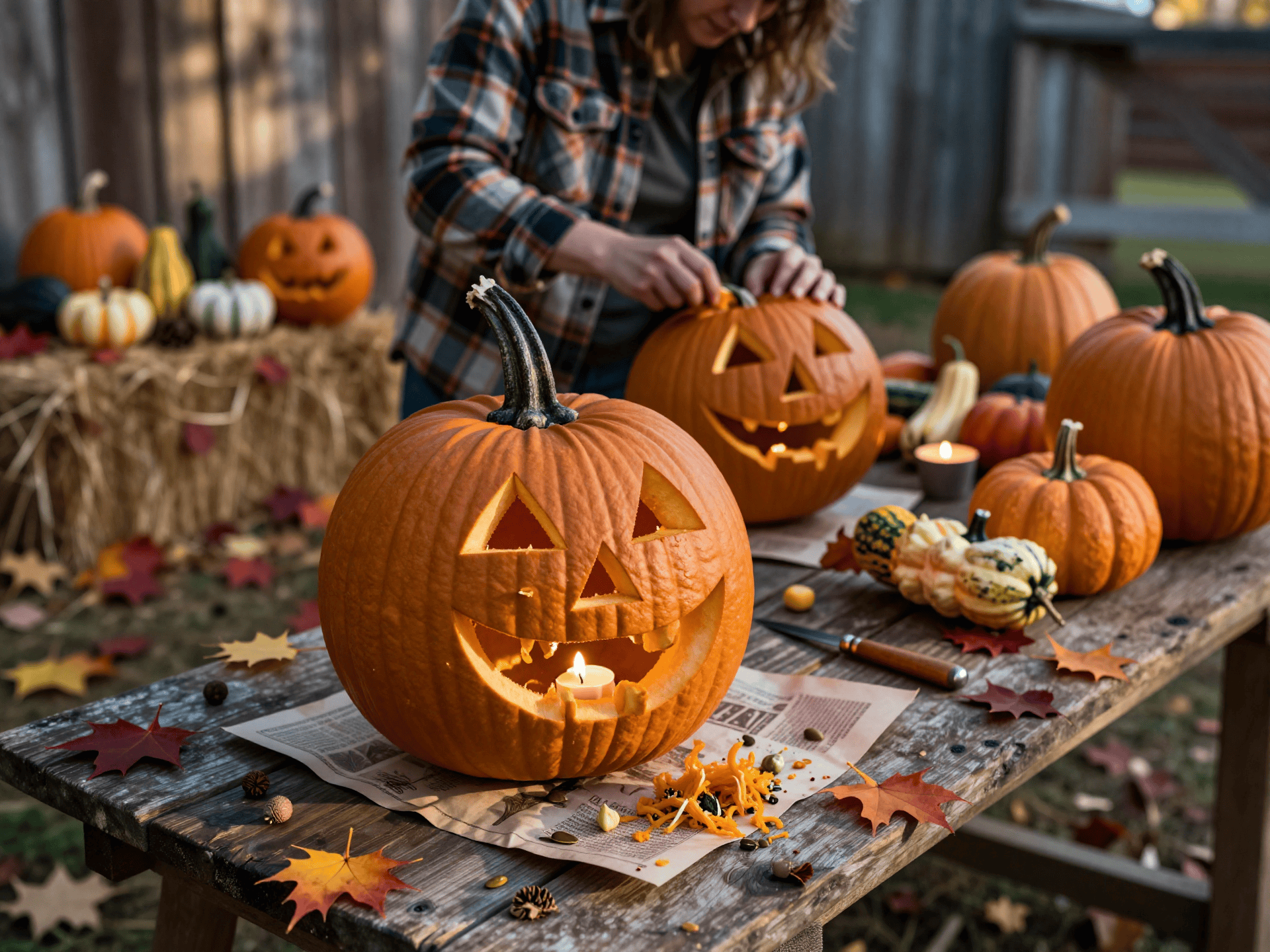
Contrary to popular belief, Halloween did not originate in the United States. The holiday has its origins in the area that is now Ireland, the United Kingdom and northern France and dates back to over 2000 years ago. The ancient Celts who lived there celebrated their new year on November 1. They believed that on the eve of the new year, October 31, the boundary between the living and the dead blurred and the dead returned to earth. The celebration held on this day was called Samhain. As part of the festivities, which included large bonfires, people would dress up as ghouls and demons to escape the notice of the otherworldly spirits who had returned. Over time, the celebration evolved and blended with the traditions of other cultures that honoured the dead around the same time of year. But many of the traditions that characterize Halloween today – like guising – have their roots in this ancient Celtic fest.