If you have no daughters,
give them to your sons.
One a penny, two a penny,
Hot cross buns!
In the old days children eagerly awaited this special treat on Good Friday as this popular children's song tells us.
A hot cross bun is a sweet bun made with raisins or currants and a white cross marked on top of it. Hot cross buns are traditionally eaten on Good Friday on the British Isles and in some parts of the Commonwealth such as Canada and Australia. Eating hot cross buns marks the end of Lent – the fasting period – because they are made with dairy products which are forbidden during this period. The cross on the bun symbolises the crucifixion of Jesus.
Why not treat your loved ones on Good Friday with some delicious Hot Cross Buns?
Good Friday – Karfreitag
bun – Milchbrötchen
eagerly – erwartungsvoll
awaited – erwarteten
treat – verwöhnen (Verb), Leckerei (Nomen)
raisins – Rosinen
currants – Johannisbeeren
Lent – Fastenzeit
dairy products – Milchprodukte
forbidden – verboten
crucifixion – Kreuzigung

Information über die Herkunft des Namens ROSE in ROSE College
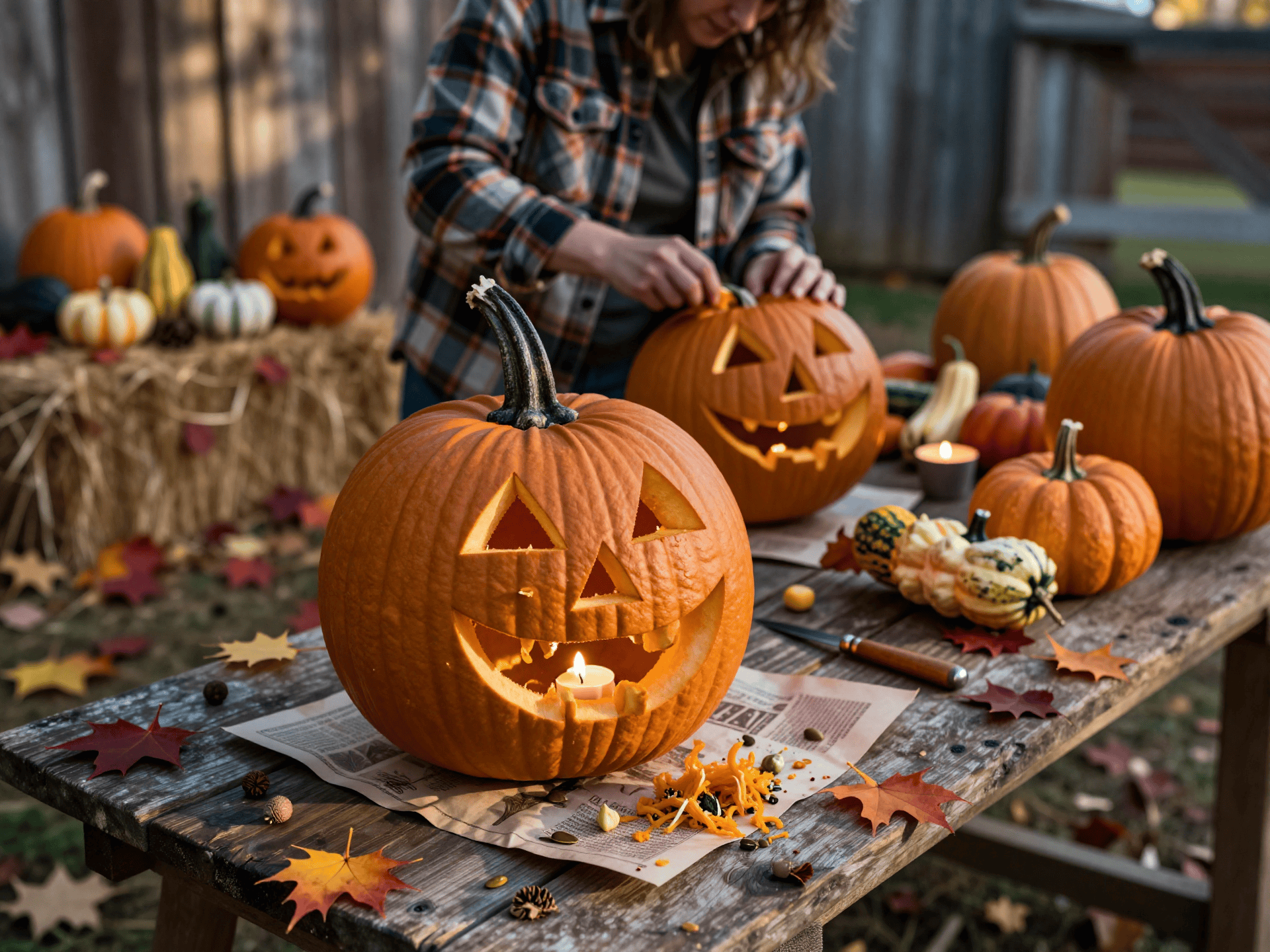
Contrary to popular belief, Halloween did not originate in the United States. The holiday has its origins in the area that is now Ireland, the United Kingdom and northern France and dates back to over 2000 years ago. The ancient Celts who lived there celebrated their new year on November 1. They believed that on the eve of the new year, October 31, the boundary between the living and the dead blurred and the dead returned to earth. The celebration held on this day was called Samhain. As part of the festivities, which included large bonfires, people would dress up as ghouls and demons to escape the notice of the otherworldly spirits who had returned. Over time, the celebration evolved and blended with the traditions of other cultures that honoured the dead around the same time of year. But many of the traditions that characterize Halloween today – like guising – have their roots in this ancient Celtic fest.